Improving Workload Coordination Strategies to Boost Your Maintenance Efficiency
Wiki Article
Time management represents an important ability for handyman professionals who want to work efficiently and efficiently. By adopting various task management techniques, technicians can finish tasks more quickly, reduce stress, and improve customer satisfaction. When managing time well, repair specialists can prioritize their jobs, assign enough resources, and ensure they meet due dates. This article will explore some practical time management strategies that maintenance professionals can adopt to boost their performance.
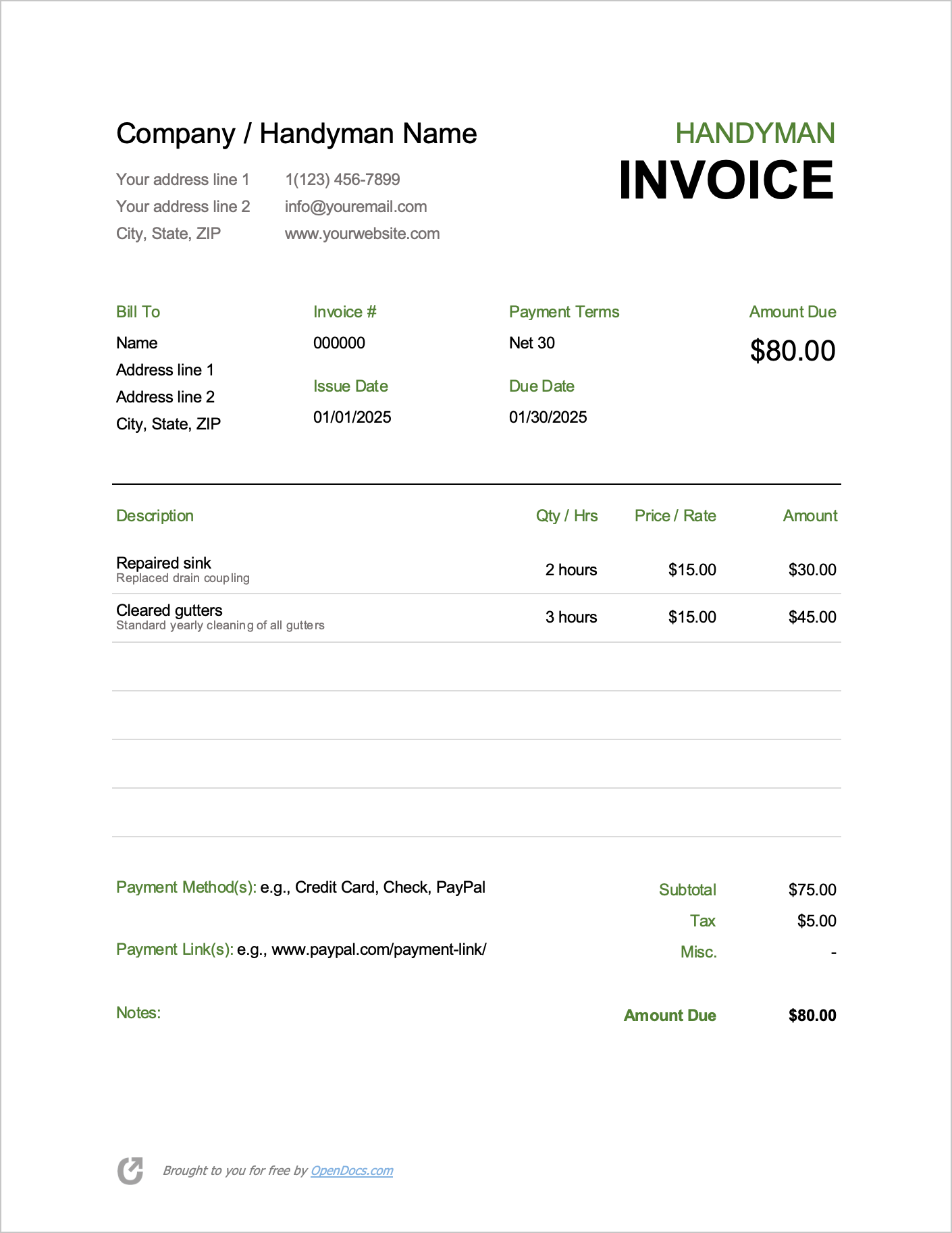
One important strategy is developing a day-to-day schedule. A well-structured schedule helps technicians organize their workday and assign specific times for each job. This includes not only the jobs themselves but also commute time and breaks. By scheduling the day in advance, service providers can see their workload and make more informed choices about how to use their time. Having a clear outline of the day's schedule allows for adjustments as required, making it easier to manage unexpected challenges or setbacks.
One more practical strategy is setting task rankings based on immediacy and importance. Technicians often face multiple tasks at once, which can be difficult to manage without a clear sense of what needs urgent attention. Using a priority matrix can help sort tasks into categories such as urgent, important, or lower priority. By concentrating first on the most urgent and essential jobs, handymen can ensure they are fulfilling customers' needs promptly while also advancing on long-term projects.
In addition to scheduling and prioritizing, technicians should explore using tools and technology to optimize their workflows. Various apps and programs are available that assist with task management, budgeting, and communication with customers. These tools can save time by automating reminders or monitoring materials required for specific jobs. Embracing technology allows service professionals to stay organized and reduces the risk of overlooking important details, thus boosting overall performance.
Lastly, reviewing performance consistently is crucial for continuous improvement in time click to read more management. Handymen should set aside time at the end of each workweek or month to assess what was effective and what could be improved in their daily routines. This self-assessment allows for adjustments that can lead to better performance in future jobs. By staying intentional about time usage effectively, service professionals can continually refine their methods and reach greater results in their work.
In conclusion, developing time management strategies is vital for maintenance professional efficiency. By building a structured plan, setting priorities, leveraging technology, and evaluating performance consistently, technicians can significantly boost their output. These strategies not only assist in completing tasks more efficiently but also support improved customer satisfaction and overall operational growth. Time management is not just about checking off tasks; it is about doing them correctly.